|
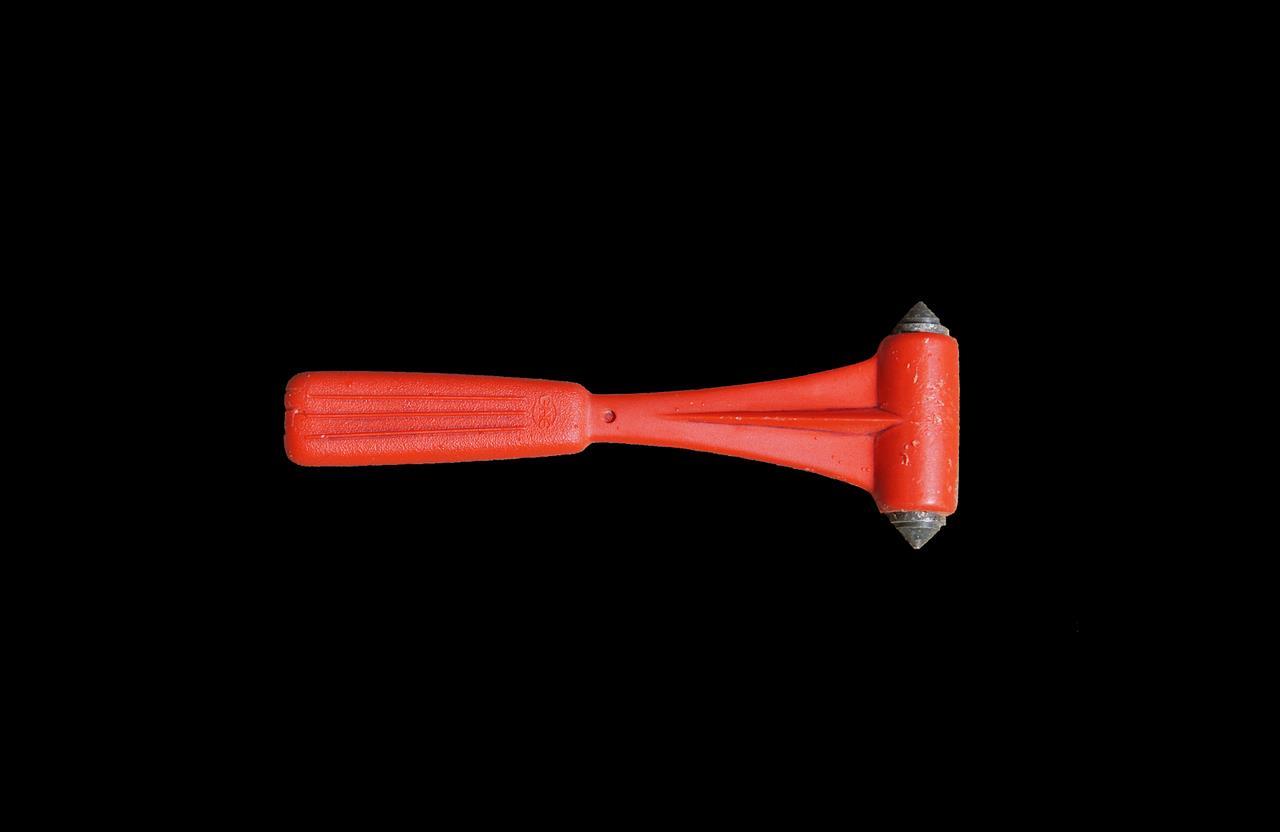
Wer einen Notfallhammer kaufen möchte, denkt oft an den Ernstfall – doch genauso wichtig ist die richtige Installation. Nur wenn der Hammer im Fahrzeug oder Gebäude gut erreichbar angebracht ist, kann er im Notfall schnell eingesetzt werden. Ein erfahrener Lieferant für Nothammer weiß genau, wie entscheidend eine korrekte Positionierung ist. Ob im Auto an der Mittelkonsole, im Bus an jeder Sitzreihe oder in öffentlichen Einrichtungen an gut sichtbaren Stellen – der Montageort macht den Unterschied. Wer einen Notfallhammer kaufen will, sollte sich also nicht nur auf das Produkt konzentrieren, sondern auch auf das passende Zubehör für eine sichere Befestigung. Nur so wird gewährleistet, dass der Hammer im Ernstfall ohne Verzögerung genutzt werden kann. Einfache Montage für maximale SicherheitEin hochwertiger Lieferant für Nothammerliefert nicht nur das Produkt selbst, sondern auch durchdachte Montagesysteme. Diese ermöglichen eine schnelle und sichere Befestigung an unterschiedlichsten Oberflächen. Viele Notfallhämmer lassen sich mit einer Halterung anschrauben oder per Klebetechnik befestigen – je nach Umgebung und Einsatzzweck. Besonders im öffentlichen Raum ist eine vandalismussichere Montage entscheidend. Wer einen Notfallhammer kaufen möchte, sollte darauf achten, dass dieser bereits mit Montagematerial geliefert wird oder sich flexibel an vorhandene Strukturen anpassen lässt. Lifehammeraus Zoetermeer stellt sicher, dass jede Lieferung praktische Lösungen für die Installation enthält – angepasst an die jeweilige Nutzungssituation. So ist sichergestellt, dass der Notfallhammer nicht nur vorhanden ist, sondern im Ernstfall auch sofort einsatzbereit. Jetzt beraten lassen und den passenden Notfallhammer kaufenEin Notfall kommt meist unerwartet – Vorbereitung ist deshalb entscheidend. Wer einen Notfallhammer kaufen möchte, sollte sich an einen erfahrenen Lieferant für Nothammer wenden, der nicht nur Produkte, sondern auch fundierte Beratung bietet. Ob für private Fahrzeuge, Firmenflotten oder öffentliche Gebäude – ein Notfallhammer kaufen bedeutet, in Sicherheit zu investieren. Lassen Sie sich persönlich beraten, finden Sie die passende Lösung für Ihre Umgebung und setzen Sie auf Qualität, die im Ernstfall Leben rettet. |